Address:
Plot No. B-6/5, Site 5 Surajpur Industrial Area, Block F, Surajpur Site V, Greater Noida, Uttar Pradesh 201306
For Business: +91 9212314779
For Careers: +91 84483 40400
Landline: 0120-4298000
Address:
Plot No. B-6/5, Site 5 Surajpur Industrial Area, Block F, Surajpur Site V, Greater Noida, Uttar Pradesh 201306
For Business: +91 9212314779
For Careers: +91 84483 40400
Landline: 0120-4298000


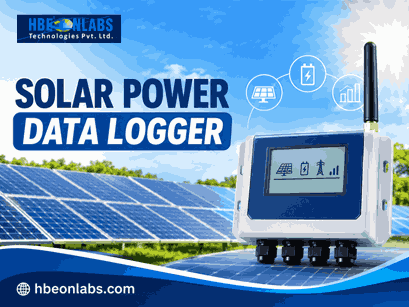
Procuring solar power data logger in bulk is a significant decision for solar inverter manufacturers, EPC companies, solar equipment distributors and renewable energy technology providers. As solar installations expand across residential, commercial and industrial sectors, the demand for reliable inverter monitoring devices continues to grow. Businesses purchasing hundreds or thousands of units need more than competitive pricing. They need a manufacturing partner capable of maintaining product quality, meeting delivery commitments, supporting technical integration and ensuring consistent supply over the project’s lifecycle.
A solar Inverter data logger plays an important role in collecting operational information from solar inverters and transmitting it to monitoring platforms. Its performance directly affects the availability of inverter data, remote diagnostics and energy generation reports. A hardware failure, communication interruption or delayed replacement can affect multiple installations, creating additional service costs for the company responsible for maintaining them.
For businesses planning bulk purchases, evaluating the manufacturer’s production capacity, quality control procedures and long-term supply reliability is essential. This guide explains the technical and commercial factors that procurement teams should assess before selecting a solar data logger manufacturing partner.
Manufacturing capacity should be one of the first considerations when shortlisting a solar data logger supplier. A manufacturer may provide an attractive quotation for a large order, but that does not necessarily mean it has the production infrastructure to fulfil the requirement within the agreed timeline.
Solar companies should assess whether the supplier has the equipment, workforce, production processes and component sourcing arrangements needed to manufacture the required quantity consistently.
Consider the following factors:
Monthly and annual production capacity: Ask the manufacturer about its current production capacity and the number of units it can manufacture within a specific period. The supplier should be able to explain how it will accommodate your order without compromising existing production commitments.
Production scalability: Manufacturing requirements may increase as your business secures new projects or expands into additional markets. Evaluate whether the supplier can increase production volumes without significant changes to the product design or manufacturing process.
In-house manufacturing capabilities: Check whether important activities such as PCB assembly, device programming, hardware testing and final product inspection are managed internally or outsourced. A manufacturer with greater control over critical production stages can generally coordinate quality checks and production schedules more effectively.
Production lead times: Ask for realistic manufacturing and dispatch timelines. Lead times should account for component procurement, assembly, firmware loading, testing, packaging and dispatch rather than just the time required for final assembly.
For solar inverter manufacturers and EPC companies, production capacity becomes particularly important when multiple installation projects are running simultaneously. A supplier should be able to support both the initial bulk order and subsequent replenishment requirements.
The quality of a solar data logger India depends on several hardware and software components working together. Even a small manufacturing defect can result in communication failures, inaccurate readings or device malfunction after installation.
Therefore, procurement teams should examine the manufacturer’s quality control procedures instead of relying exclusively on product specifications or certification claims.
A reliable quality control process should cover the following stages.
Electronic components, communication modules, connectors, power circuits and PCBs should be inspected before entering production.
The manufacturer should have procedures to verify component specifications, supplier quality, physical condition and compatibility with the approved product design.
This is particularly important for devices using GSM or 4G connectivity, where communication module quality and antenna performance can affect data transmission reliability.
The PCB is the central electronic component of an inverter data logger. Manufacturing defects such as poor solder joints, incorrect component placement and damaged connections can lead to intermittent device failures.
Ask the manufacturer about its PCB inspection process, soldering standards and electrical verification procedures.
For larger orders, confirm whether inspection records are maintained for individual production batches.
Hardware quality alone does not guarantee reliable operation. The firmware must correctly manage inverter communication, data collection, network connectivity and transmission to the monitoring platform.
Each device should undergo functional testing to verify:
A manufacturer should also have a controlled firmware release process to prevent different batches from receiving unapproved software versions.
Before dispatch, finished devices should undergo a final inspection covering physical condition, connectors, enclosure, labelling, firmware configuration and basic operational performance.
For bulk procurement, these checks should be documented rather than performed informally.
A solar data logger must communicate correctly with the inverter to collect and transmit operational information. This makes interface compatibility one of the most important technical considerations during procurement.
Different inverter manufacturers may use different communication configurations, firmware implementations and data registers. Even when two devices support the same physical interface, their communication requirements may differ.
Before placing a bulk order, evaluate the following:
RS485 compatibility: Many solar inverters use RS485 for communication with external monitoring devices. Confirm the supported communication parameters, wiring requirements and protocol compatibility.
RS232 and TTL interfaces: These interfaces may be required for specific inverter models and embedded system configurations. Check whether the proposed device supports the interfaces required by your equipment.
USB connectivity: Determine whether USB is used for configuration, servicing, firmware updates or data communication.
Communication protocol support: Verify whether the data logger supports the communication protocol and register mapping required by the target inverter.
Multi-inverter compatibility: If your business works with different inverter manufacturers, request compatibility information for each relevant model.
A data logger inverter solution should be evaluated against the actual inverter hardware and firmware rather than assumptions based on connector availability.
Before approving a large purchase, conduct a pilot integration with representative inverter models. This helps identify communication issues before they affect hundreds of deployed units.
Connectivity is central to the performance of a solar power data logger. The device must collect information from the inverter and transmit it to the monitoring platform at the configured interval.
Solar installations may operate in locations with varying network availability. Residential rooftops, industrial sites and remote solar projects can have different connectivity conditions.
When evaluating a supplier, examine the following technical aspects.
4G LTE connectivity: Check supported LTE bands, network compatibility, communication module specifications and antenna requirements. The device should be tested with the cellular networks intended for deployment.
M2M SIM support: For applications requiring machine-to-machine communication, verify SIM compatibility, provisioning arrangements, network coverage and data plan requirements.
Wi-Fi connectivity: Evaluate supported Wi-Fi standards, frequency bands, configuration procedures and performance under expected installation conditions.
Data recovery: Network interruptions should not automatically result in permanent data loss. Ask whether the device supports local buffering and breakpoint resuming to transmit stored information after connectivity is restored.
Secure communication: Examine the available authentication, encryption and device access controls. Secure data transmission is particularly important when monitoring platforms manage large numbers of distributed installations.
Suppliers should provide technical documentation explaining connectivity capabilities and known operating limitations.
A manufacturer’s ability to deliver bulk orders depends heavily on the availability of electronic components.
Communication modules, microcontrollers, memory chips, connectors and power management components may experience supply shortages, price fluctuations or changes in availability.
A supplier that depends on a single component source may struggle to maintain production when that component becomes unavailable.
Before finalising a procurement agreement, ask the manufacturer:
Component substitution requires particular attention. Replacing a communication module or microcontroller can affect power consumption, firmware compatibility, connectivity performance and overall product behaviour.
Any significant component change should undergo engineering evaluation and validation before being introduced into production.
For long-term projects, request advance communication about potential component discontinuation and product revision changes.
Certifications and manufacturing documents provide useful information about a supplier’s quality management practices and business processes.
For example, ISO 9001:2015 certification indicates that an organisation operates a quality management system within the scope of its certification. However, it should not be treated as automatic proof that every product meets every technical or regulatory requirement.
Solar companies should review:
Where government programmes or specific inverter communication requirements apply, verify the relevant product approvals, testing reports and registration details directly with the appropriate authority.
This is particularly important when purchasing equipment intended for projects under the PM Surya Ghar: Muft Bijli Yojana. Procurement teams should confirm the current applicable MNRE requirements and whether the proposed equipment has the necessary documented approvals and integration readiness.
The lowest quotation is not necessarily the most economical option for bulk procurement.
A cheaper device may involve higher installation costs, additional integration work, frequent replacements or limited technical support. These expenses can significantly increase the actual cost of ownership.
A proper procurement comparison should include:
Unit purchase price: Compare quotations for equivalent specifications, interfaces, connectivity and warranty coverage.
Integration expenses: Consider engineering time, inverter compatibility testing, configuration and platform integration.
Installation costs: Evaluate mounting requirements, wiring, SIM provisioning and commissioning procedures.
Connectivity expenses: Account for M2M SIM charges, cellular data plans and other recurring network costs.
Maintenance expenses: Consider firmware support, remote troubleshooting, device replacement and technical servicing.
Warranty and replacement costs: Examine warranty duration, exclusions, turnaround times and logistics responsibilities.
For example, a solar company purchasing 2,000 devices should calculate the total project cost rather than comparing only the quoted price per device.
This approach helps procurement managers identify suppliers offering better long-term commercial value.
After-sales support is particularly important when data loggers are deployed across multiple locations.
If a device stops communicating, the service team should be able to identify whether the problem is related to the inverter, communication interface, SIM, network, firmware or hardware.
Before signing a bulk procurement agreement, establish the supplier’s support responsibilities.
Important questions include:
A three-year warranty, for example, is useful only when its coverage, exclusions and replacement procedures are clearly documented.
For large solar portfolios, it is also worth discussing spare device availability and replacement stock arrangements before deployment.
One of the most effective ways to reduce procurement risk is to test the supplier’s product before committing to a large purchase.
A pilot order allows the engineering and procurement teams to assess actual product performance under operating conditions.
A structured pilot evaluation should include:
Hardware verification: Check the enclosure, PCB quality, connectors, power requirements and physical installation.
Inverter integration: Test the device with the actual inverter models intended for deployment.
Connectivity testing: Evaluate 4G, Wi-Fi or other supported communication methods at representative installation locations.
Data transmission: Verify whether inverter readings reach the monitoring platform correctly and at the configured intervals.
Network recovery: Simulate connectivity interruptions and check whether the device resumes transmission and recovers stored data.
Extended operation: Run the devices over a representative operating period to identify intermittent failures, communication instability or unexpected resets.
The pilot should also verify installation time, configuration requirements and the quality of technical assistance provided by the manufacturer.
Only after the pilot results meet the agreed acceptance criteria should the company proceed with full-scale procurement.
Bulk procurement should not be treated as a one-time transaction, particularly when the data logger becomes part of a company’s standard inverter product or monitoring infrastructure.
A long-term supply agreement helps establish clear responsibilities and reduces uncertainty around future orders.
The agreement should address:
For solar inverter OEMs, consistency between production batches is especially important. Changes in hardware or firmware can affect existing integrations and require additional validation.
A reliable supplier should communicate product changes in advance and provide sufficient documentation for engineering approval.
The reliability of a solar monitoring system depends on more than the initial hardware purchase. It requires coordination between the inverter, data logger, communication network and cloud platform.
Choosing an unsuitable supplier can create recurring problems, including inconsistent hardware quality, delayed deliveries, unsupported firmware, inverter compatibility issues and slow replacement cycles.
These problems become more expensive as the number of deployed devices increases.
For this reason, procurement teams should evaluate manufacturers as long-term technology partners rather than simply comparing product quotations.
A supplier with electronics design expertise, embedded systems capabilities, manufacturing experience and IoT integration knowledge can offer additional value when product modifications or new integration requirements arise.
At HBeonLabs Technologies Pvt. Ltd., we bring together electronics engineering, embedded systems development, IoT expertise and electronics manufacturing to support solar inverter monitoring requirements. Our solar data logger portfolio includes the HBeon-DLWU Wi-Fi model and HBeon-DL4GU GSM 4G LTE model, designed with multiple communication interfaces, including USB, RS485, RS232 and TTL. Our devices support features such as cloud-based monitoring, remote diagnostics, OTA firmware upgrades and breakpoint resuming. We also provide OEM/ODM capabilities, allowing us to work with businesses requiring customised electronics and embedded technology solutions. As an ISO 9001:2015 certified organisation established in 2008, we focus on product quality, engineering support and dependable project execution. We work with solar companies and inverter manufacturers to understand their technical requirements, evaluate integration needs and identify suitable data logger solutions for their applications.
Bulk procurement of solar data loggers requires a structured evaluation of manufacturing capacity, product quality, communication compatibility, component availability and after-sales support. A competitive unit price may help reduce the initial purchasing budget, but consistent manufacturing quality and long-term supply reliability determine the actual value of the procurement decision.
Solar inverter manufacturers, EPC companies and equipment distributors should assess suppliers through technical documentation, factory capability evaluation, pilot testing and clearly defined supply agreements.
Before finalising an order, verify that the selected device supports the required inverter interfaces, communication protocols, network conditions and monitoring platform. Also ensure that the manufacturer can maintain consistent specifications and provide technical assistance throughout the product lifecycle.
Selecting the right manufacturing partner helps businesses reduce procurement risks, maintain installation schedules and build reliable solar monitoring infrastructure as their project volumes grow.
1. What should businesses check before bulk purchasing a solar power data logger?
Before placing a bulk order, businesses should evaluate the manufacturer’s production capacity, quality control process, component sourcing, communication compatibility, firmware reliability, warranty terms and after-sales support. It is also advisable to request product samples and conduct pilot testing before committing to large-scale procurement.
2. How can buyers verify a solar data logger manufacturer’s production capacity?
Buyers should assess the manufacturer’s in-house production facilities, PCB assembly capabilities, testing infrastructure, workforce, monthly production capacity and experience handling bulk orders. They should also ask about lead times, production scalability and contingency plans for component shortages.
3. Why is quality control important when procuring an inverter data logger in bulk?
Quality control helps ensure consistent performance across every unit in a large order. It reduces communication failures, data transmission errors, hardware defects and field replacements. Buyers should check whether the manufacturer performs incoming component inspections, PCB testing, firmware validation, connectivity testing and final functional checks.
4. Should businesses choose a 4G or Wi-Fi solar power data logger for large-scale deployments?
The choice depends on the installation environment and monitoring requirements. A 4G data logger is generally suitable for remote sites where reliable Wi-Fi is unavailable, while a Wi-Fi model can be practical where stable internet connectivity already exists. Buyers should also consider network coverage, data costs, power consumption, communication protocols and long-term maintenance.
5. How can businesses ensure a reliable long-term supply of solar data loggers?
Businesses should work with manufacturers that offer documented quality processes, dependable component sourcing, scalable production and technical support. A clear supply agreement covering delivery schedules, product specifications, warranty, replacement policies, firmware updates and spare-part availability can help reduce procurement risks and maintain supply continuity.